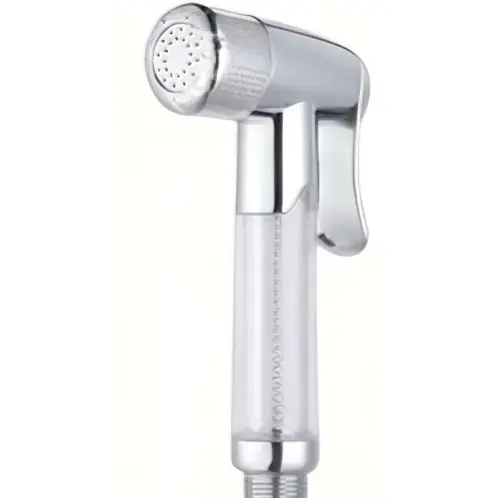
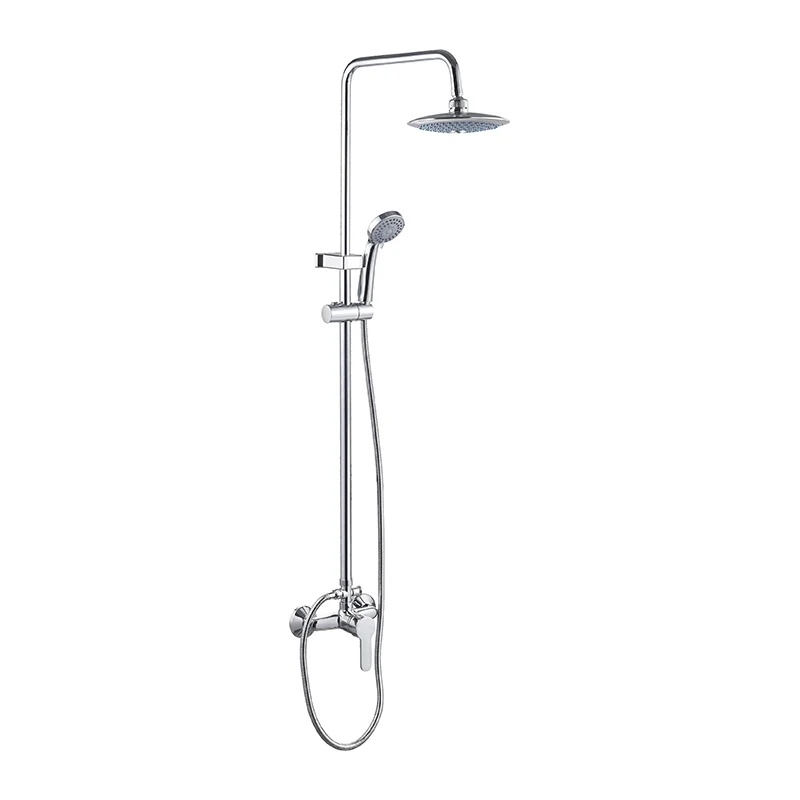
A bathroom faucet with a shower attachment relies on a small internal component called a diverter to switch the water flow between the spout and the showerhead. When the diverter works, the transition is immediate and the water pressure at the showerhead is strong. When the diverter fails, the symptoms can be confusing. The showerhead may run weakly while water continues to dribble from the spout. The water temperature may fluctuate when the diverter is moved. The shower may not receive water at all, or it may receive water only when the faucet handle is held in a certain position. For a procurement team sourcing Bathroom Faucets, understanding how a faulty diverter affects shower functionality is essential for specifying the right internal components and for evaluating supplier quality.
This guide is written for buyers who are selecting Bathroom Faucets for residential, hospitality, or commercial projects. It explains the symptoms of a faulty diverter, the root causes inside the faucet body, the mechanisms by which the failure affects water flow and temperature at the showerhead, the diagnostic steps that a maintenance team can perform, and the procurement specifications that reduce the risk. The content is organized around the failure path rather than the component list, so that the procurement discussion focuses on what the end user experiences. It includes the product parameters and test documentation that a reliable supplier should provide. Our factory at Taizhou Haogeer Sanitary Wares Co., Ltd. designs Bathroom Faucets with diverter assemblies for different market segments, and the guidance below reflects the engineering and procurement standards we apply to the products we supply.
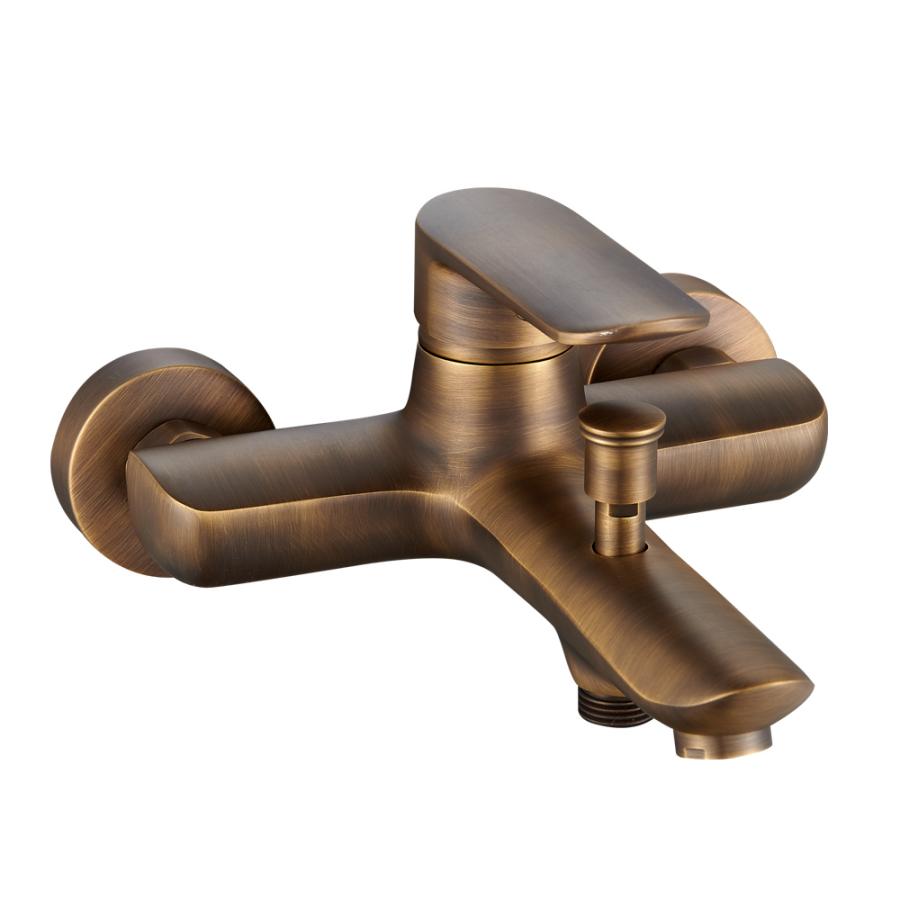
The symptoms of a faulty diverter are often mistaken for low water pressure or a clogged showerhead. The diverter is inside the faucet body, and its failure produces a specific set of behaviors that can be distinguished from other causes. The most common symptom is water continuing to flow from the spout when the diverter is set to shower. A second symptom is a weak or intermittent flow at the showerhead even when the supply pressure is normal. A third symptom is a change in water temperature when the diverter is moved, caused by the diverter not sealing one outlet completely. A fourth symptom is a diverter that does not stay in position, either because the detent is worn or because the internal seal is damaged.
The symptom list below is organized by what the user observes, so that a maintenance team can map the observation to the likely cause.
The table below maps the symptom to the most likely internal cause and the procurement relevance.
| Symptom | Likely Internal Cause | Procurement Relevance |
| Both outlets flow | Seal wear or seat damage | Seal material and seat finish |
| Weak shower flow | Passage restriction or partial seal | Internal geometry and debris tolerance |
| Diverter will not stay | Detent wear or linkage looseness | Detent design and mechanism life |
| Drip after switching | Seal compression set | Seal material and compression ratio |
| Temperature change | Cross leakage between ports | Port isolation and seal integrity |
| Stiff or grinding | Scale or corrosion in the bore | Material compatibility and surface finish |
Our factory at Taizhou Haogeer Sanitary Wares Co., Ltd. designs Bathroom Faucets with diverter assemblies that are tested for these symptoms. We specify the seal material, the detent mechanism, and the bore finish for each model, and we test the diverter for cross leakage and cycle life. The goal is to provide a faucet that switches cleanly between the spout and the showerhead throughout its service life.
The causes of diverter failure can be grouped into four categories: seal degradation, mechanical wear, debris and scale, and material incompatibility. Each category has a different failure mechanism and a different procurement implication. The cause tree below traces the categories from the field symptom back to the design or process decision.
The table below summarizes the causes, the typical time to failure, and the design check that reduces the risk.
| Cause | Typical Time to Failure | Design Check | Test Method |
| Seal compression set | 2 to 5 years | Seal compound and compression ratio | Compression set test, hot water aging |
| Detent wear | 3 to 7 years | Detent spring and mechanism life | Cycle test with force measurement |
| Scale and debris | 1 to 3 years in hard water | Inlet screen and bore finish | Contaminated water test |
| Material incompatibility | Variable | Material selection for water chemistry | Chemical compatibility test |
Our factory at LEIGEER selects the diverter seal compound for the target water temperature and the target water chemistry. We specify the detent spring for the cycle life and the bore finish for debris tolerance. We also test the diverter with hard water and with particulate contamination to simulate field conditions. The goal is to provide a diverter that fails only at the end of the faucet’s service life, not in the first few years.
For a buyer, the cause tree is a useful specification tool. A supplier that can explain which seal compound is used and why, and which detent design is used and why, is a supplier that understands the failure mechanism. A supplier that cannot explain these choices is a supplier that may be using a generic diverter without regard for the application.
The failure affects water flow and temperature through two mechanisms: cross leakage and pressure loss. Cross leakage occurs when the diverter does not isolate the shower port from the spout port. Part of the water continues to flow to the spout, and the showerhead receives less flow. The pressure at the showerhead falls, and the spray pattern weakens. The temperature effect occurs because the cross leakage allows water from the mixed chamber to bypass the intended path, and the temperature at the showerhead may change when the diverter is moved or when another fixture is used.
The sequence below describes what happens inside the faucet when the diverter seal fails, from the moment the user pulls the diverter to the moment the showerhead flow stabilizes.
The table below quantifies the effect of cross leakage on shower flow and temperature for a representative Bathroom Faucet.
| Condition | Shower Flow | Spout Flow | Temperature Stability |
| Diverter seal intact | 100 percent | 0 percent | Stable |
| Minor seal wear | 85 to 90 percent | 10 to 15 percent | Slight drift |
| Moderate seal wear | 65 to 75 percent | 25 to 35 percent | Noticeable drift |
| Severe seal wear | 40 to 55 percent | 45 to 60 percent | Unstable |
| Seal failure | 0 to 20 percent | 80 to 100 percent | Uncontrolled |
Our factory at Taizhou Haogeer Sanitary Wares Co., Ltd. tests the diverter for cross leakage at the rated pressure and at the maximum temperature. We measure the shower flow and the spout flow in the diverter shower position, and we verify that the cross leakage is below the specified limit. The goal is to provide a Bathroom Faucet that delivers the full shower flow and a stable temperature throughout the diverter’s service life.
For a buyer, the cross leakage specification is a key procurement parameter. A diverter that passes a visual inspection but leaks 20 percent to the spout will produce a weak shower and a temperature complaint. The purchase order should state the maximum cross leakage at the rated pressure, and the supplier should provide the test data. A supplier that provides only a visual inspection is a supplier that is not measuring the failure that matters.
Maintenance teams can diagnose a diverter fault by separating the diverter from the other possible causes, such as a clogged showerhead, a failed cartridge, or low supply pressure. The diagnostic flow below provides a step-by-step sequence that a technician can follow with basic tools.
The table below lists the diagnostic tools and the observations that confirm each cause.
| Tool | Observation | Confirmed Cause |
| Pressure gauge | Normal supply pressure | Diverter or showerhead, not supply |
| Shower hose flow test | Strong flow without showerhead | Showerhead clogged |
| Visual spout check | Water flows from spout in shower mode | Diverter seal not seating |
| Diverter movement test | Stiff or does not stay in position | Detent wear or bore fouling |
| Seal inspection | Compression set or cracks | Seal degradation |
Our factory at Taizhou Haogeer Sanitary Wares Co., Ltd. provides the diverter specification and the spare parts information for our Bathroom Faucets. We also provide the diagnostic guidance to our customers so that the maintenance team can identify the fault before replacing the entire faucet. The goal is to make the diagnosis straightforward and to reduce the unnecessary replacement of functional faucets.
Buyers should require specifications that address the four failure categories: seal degradation, mechanical wear, debris and scale, and material incompatibility. The specification checklist below provides the parameters that should be stated in the purchase order.
| Specification | Requirement | Test Method |
| Seal compound | EPDM or silicone, rated for 90 degrees C | Hot water aging and compression set |
| Seal compression ratio | 15 to 25 percent | Compression set test |
| Detent cycle life | 50,000 cycles minimum | Cycle test with force measurement |
| Cross leakage | Below 5 percent at rated pressure | Flow measurement in shower position |
| Bore finish | Ra 0.4 micrometers or better | Surface roughness measurement |
| Inlet screen | Stainless steel, 100 mesh | Visual inspection and flow test |
| Material compatibility | DZR brass or suitable polymer | Chemical compatibility test |
Our factory at Taizhou Haogeer Sanitary Wares Co., Ltd. applies these specifications to our Bathroom Faucet diverter assemblies. We verify the seal compound, the compression ratio, the detent cycle life, and the cross leakage on every production batch. We also provide the test data to our customers so that the procurement team can confirm that the faucet meets the specification. The goal is to reduce the risk of diverter failure in the field and to protect the end user’s shower experience.
For a buyer, the specifications should be part of the purchase order, not left to the supplier’s standard. A faucet that is specified with a high-quality seal and a tested detent will last longer and generate fewer complaints. A faucet that is specified without these requirements may look the same on the outside but fail in the diverter, which is the component that the user interacts with every day.
Buyers should evaluate a Bathroom Faucet supplier by reviewing the diverter design, the test data, the production control, and the spare parts support. The evaluation matrix below provides the criteria and the evidence to request.
| Evaluation Criterion | What to Look For | Why It Matters |
| Diverter design | Seal type, detent mechanism, bore finish | Determines the failure modes |
| Test data | Cross leakage, cycle life, compression set | Confirms the specification |
| Production control | Batch testing, incoming material checks | Ensures consistency |
| Spare parts support | Seal kits, diverter assemblies | Enables repair instead of replacement |
| Application experience | Hotel, residential, commercial references | Demonstrates real-world reliability |
Our factory at Taizhou Haogeer Sanitary Wares Co., Ltd. has been producing Bathroom Faucets with diverter assemblies for over a decade. We provide the diverter design description, the test data, and the spare parts support for our products. We also welcome customer audits and can provide samples for evaluation. The goal is to make the supplier evaluation transparent and to give buyers the evidence they need to confirm that the faucet will perform in the field.
For a buyer, the evaluation should include a sample test that simulates the field conditions: hot water, pressure cycling, and repeated diverter operation. A sample that passes the test is a sample that is ready for the project. A sample that fails the test is a sample that will generate complaints. The procurement team should not rely on the datasheet alone for a component that the user operates every day.
Question 1: Why does water still come out of the spout when the diverter is set to shower?
Answer: Water continues to flow from the spout because the diverter seal is not seating completely against the spout port. The seal may be worn, deformed by heat, or obstructed by debris. The diverter may also be partially engaged because the detent or the linkage is worn. The result is cross leakage: part of the water goes to the showerhead and part goes to the spout. The repair is to replace the seal or the diverter assembly, depending on the faucet design.
Question 2: Can a faulty diverter reduce the water pressure at the showerhead?
Answer: Yes. When the diverter leaks to the spout, the showerhead receives only part of the available flow, and the pressure at the showerhead falls. The user may interpret this as low supply pressure, but the supply pressure is normal. The correct diagnosis is to check the flow from the shower hose without the showerhead and to observe whether water continues to flow from the spout in shower mode.
Question 3: Why does the shower temperature change when I switch the diverter?
Answer: The temperature changes because the diverter is not isolating the outlets completely. Cross leakage allows water from the mixed chamber to bypass the intended path, and the balance between the hot and cold inlets changes when the diverter is moved. The effect is more noticeable when the supply pressures are unequal or when another fixture is used at the same time. Replacing the diverter seal or assembly restores the isolation and stabilizes the temperature.
Question 4: How long should a bathroom faucet diverter last?
Answer: A well-designed diverter with an EPDM or silicone seal and a tested detent should last 50,000 cycles or more, which corresponds to several years of daily use. The actual life depends on the water quality, the water temperature, and the frequency of use. In hard water areas, scale can shorten the life. The buyer should request the cycle life data and the seal compound specification from the supplier.
Question 5: Is it better to replace the diverter or the entire faucet when the diverter fails?
Answer: It depends on the faucet design. If the diverter is a serviceable cartridge or a replaceable assembly, replacing the diverter is the lower-cost and lower-waste option. If the diverter is integrated into the faucet body and no spare part is available, the entire faucet may need to be replaced. Buyers should specify a serviceable diverter design and confirm that spare parts are available before selecting a Bathroom Faucet for a project.
A faulty diverter affects Bathroom Faucet shower functionality through cross leakage, pressure loss, and temperature instability. The symptoms are often mistaken for low supply pressure or a clogged showerhead, but the root cause is inside the faucet. The failure is caused by seal degradation, mechanical wear, debris and scale, or material incompatibility, and each cause has a specific design and procurement remedy. For buyers, the key is to specify the seal compound, the detent cycle life, the cross leakage limit, and the bore finish, and to verify the data with the supplier. Our factory at Taizhou Haogeer Sanitary Wares Co., Ltd. designs Bathroom Faucets with tested diverter assemblies and provides the specification and spare parts support that buyers need. If you are sourcing Bathroom Faucets for a residential, hospitality, or commercial project, contact our team to discuss the diverter requirements and to request samples and test data for your application.
Contact Taizhou Haogeer Sanitary Wares Co., Ltd. today to discuss your Bathroom Faucet requirements and to request the diverter specification and test data for your project.
-