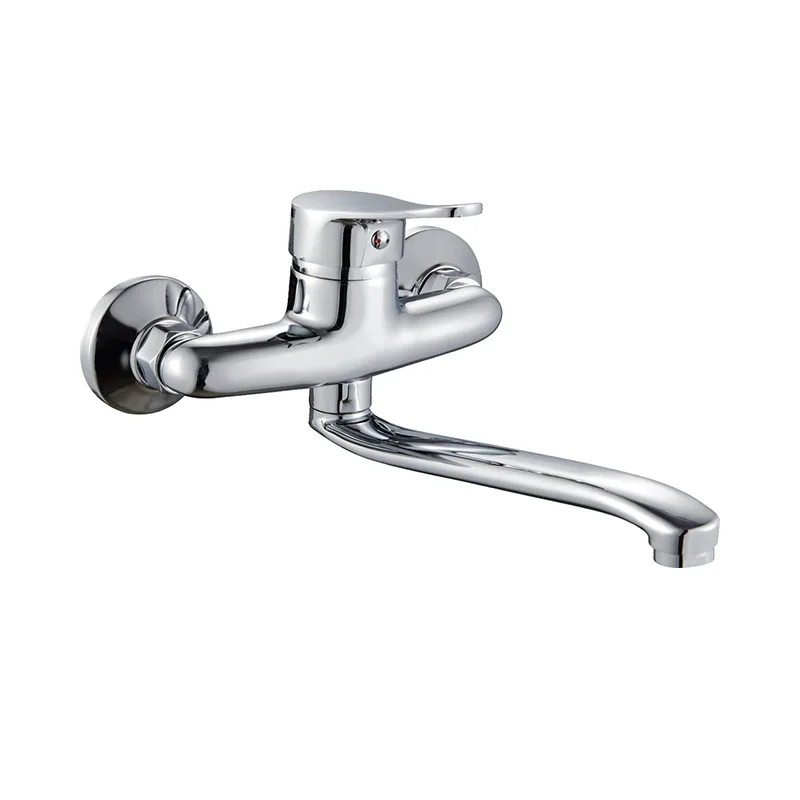
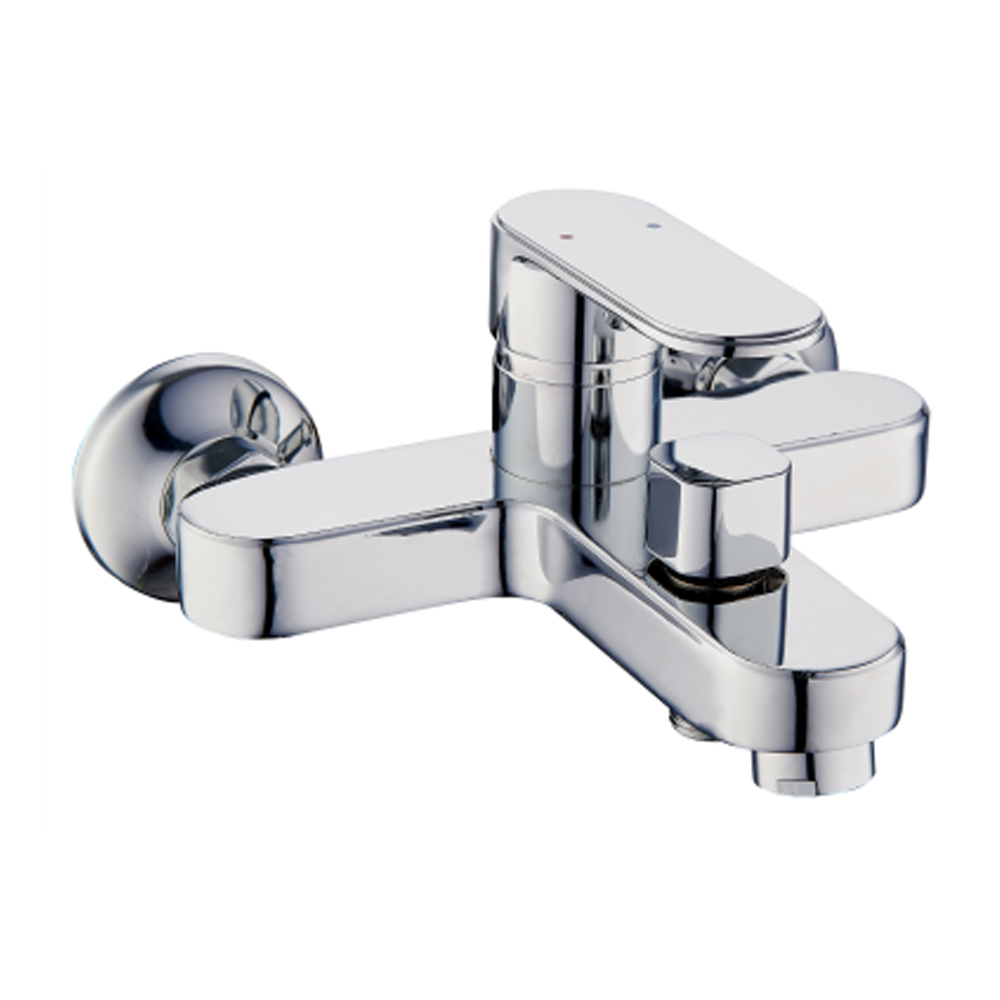
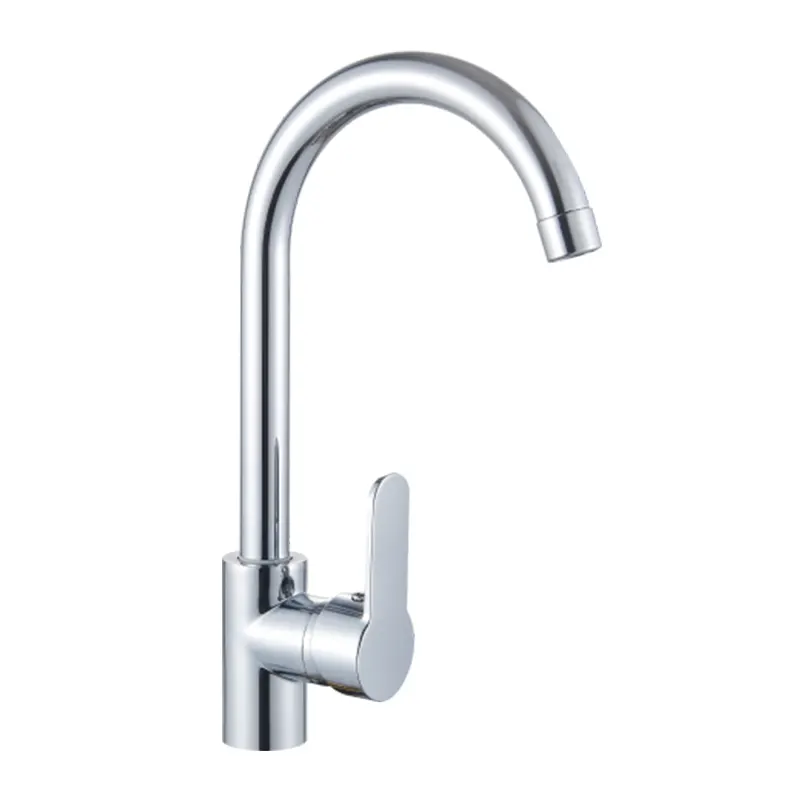
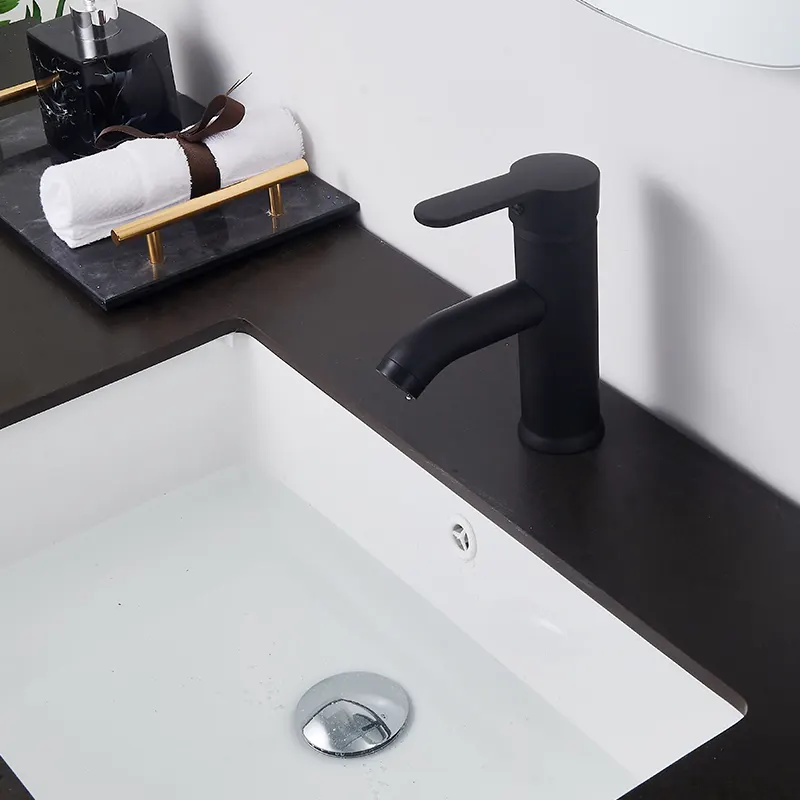
As of June 2026, the resurgence of brass in residential and commercial interiors is no longer a fleeting trend—it has solidified into a design staple. According to the latest market data from the National Kitchen & Bath Association (NKBA), brass-finished hardware now accounts for over 28% of all premium bathroom and door hardware specifications in North America, up from just 17% in 2021. Yet, within this booming category, a single question continues to divide designers, architects, and homeowners alike:
Should we choose Lacquered Brass, which preserves a consistent, pristine look, or Unlacquered Brass, which evolves naturally over time?
This is not a matter of quality—both are premium options. Rather, it is a decision driven by maintenance expectations, environmental conditions, and aesthetic philosophy. Below, we break down the science, real-world performance data, and industry recommendations to help you make an informed choice.
At its core, the distinction between lacquered and unlacquered brass is a matter of surface chemistry.
Lacquered Brass features a transparent polymer coating—typically an acrylic, polyester, or epoxy-based resin—applied via spraying, dipping, or electrophoretic deposition. This physical barrier completely isolates the brass substrate from oxygen, moisture, and skin oils. The result: the color and gloss level you see on day one remain virtually unchanged for years. However, this coating is not indestructible. Industry testing (ASTM D3359 adhesion standards) shows that under high-humidity conditions (>80% RH) or in coastal environments with airborne salt, the lacquer film can develop micro-cracks within 3 to 7 years, leading to localized oxidation and unsightly "tiger-striping" beneath the damaged coating.
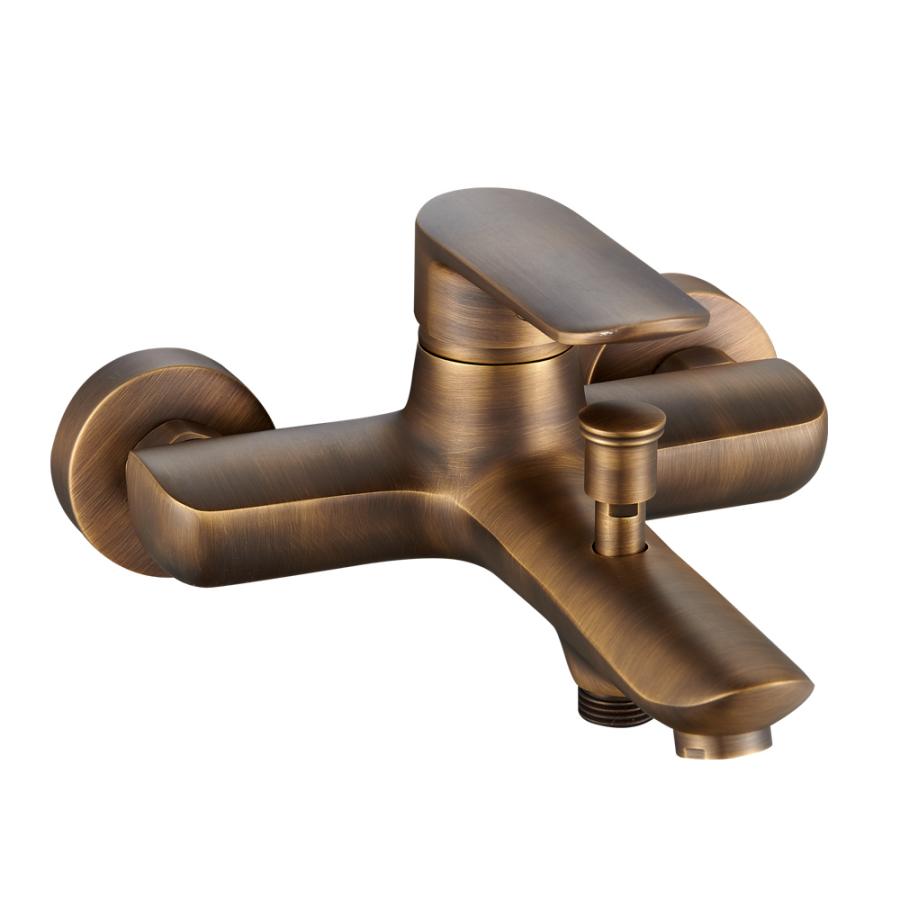
Unlacquered Brass, by contrast, has no protective layer. From the moment of installation, it begins a continuous chemical reaction with its environment—oxygen in the air, moisture from showers, and oils from human touch. This process is called oxidation, and its visible result is patina. The brass transitions from a bright, polished gold hue to a deeper, warmer brown, and eventually to a muted, antique bronze tone over decades. Crucially, this patina is purely superficial and does not compromise the structural integrity or thickness of the metal. In fact, metallurgical studies confirm that the oxide layer is less than 0.5 microns thick, acting as a natural, passive barrier that actually slows further corrosion.
The table below summarizes the critical performance and maintenance differences based on manufacturer technical data sheets (including Delta, Kohler, and Baldwin Hardware) and independent third-party testing laboratories:
|
Parameter |
Lacquered Brass |
Unlacquered Brass |
|
Aesthetic Evolution |
Static – Retains original polished or satin gold tone indefinitely. No color shift. |
Dynamic – Evolves from bright gold to warm amber, then to deep bronze/umber over 5–15 years, depending on exposure. |
|
Daily Maintenance |
Low-effort – Wipe with a soft, damp cloth and mild dish soap; dry immediately. Avoid all chemical cleaners, abrasives, and metal polishes as they will strip the lacquer. |
Flexible – Can be left untouched for a natural patina, or polished quarterly with a brass-specific cleaner (e.g., Flitz, Brasso) to restore original shine. |
|
Durability Risks |
Coating-dependent – Highly resistant to fingerprints, water spots, and tarnishing. Vulnerable to scratches, acidic cleaners (pH <5), and prolonged UV exposure; once scratched, oxidation starts at the damage point and is irreparable. |
Surface-tolerant – Minor scratches, water spots, and handling marks are absorbed into the evolving patina and become nearly invisible over time. No coating to peel or yellow. |
|
Ideal Environment |
Stable interiors with controlled humidity; preferred for coastal or high-salt areas where raw brass would oxidize too rapidly or unevenly. |
Normal indoor environments (30–70% RH). In high-humidity bathrooms, oxidation accelerates but remains uniform if the surface is occasionally wiped. |
|
Initial Cost (2026 avg.) |
$180 – $350 per faucet fixture (higher due to multi-stage coating process). |
$160 – $320 per faucet fixture (lower due to fewer manufacturing steps). |
|
Long-Term Resale Value |
Perceived as "like-new" condition; appeals to buyers seeking move-in-ready properties. |
Valued for uniqueness; antique and custom home buyers often pay a premium for authentic patina development. |
|
Environmental / Safety Note |
Some older lacquers contained VOCs; modern water-based acrylics are low-VOC (<50 g/L) and comply with EPA 2026 standards. |
100% VOC-free; fully recyclable at end of life without coating separation. |
Choose Lacquered Brass if:
You desire consistency and predictability across multiple rooms or a large commercial project where hardware must match perfectly.
Your space features a minimalist, modern, or high-contrast design where uncontrolled color variation would disrupt the visual harmony.
You live in a high-humidity region (e.g., Florida Gulf Coast, Southeast Asia) where raw brass can develop uneven greenish spots (verdigris) within months.
You prefer a "set-and-forget" maintenance schedule and have no interest in periodic polishing.
Choose Unlacquered Brass if:
You embrace the wabi-sabi or mid-century modern aesthetic and appreciate materials that record the passage of time and human touch.
You are designing a one-of-a-kind, custom home where each fixture develops a unique, unrepeatable character.
You enjoy the ritual of maintenance and find satisfaction in polishing metal to reveal its warm glow on special occasions.
You are specifying hardware for areas with low traffic or for decorative pieces (cabinet pulls, shelf brackets) where oxidation proceeds slowly and gracefully.
|
Action |
Lacquered Brass |
Unlacquered Brass |
|
Routine Cleaning |
Soft cloth + warm water + mild soap. Dry immediately. |
Soft cloth + warm water. Dry thoroughly to prevent hard water spots. |
|
Restoring Shine |
Not possible —re-lacquering requires full factory stripping. |
Use brass polish (citric acid + abrasive slurry) applied with a soft rag; rinse and buff. |
|
Removing Tarnish |
Do not use tarnish removers (they dissolve the coating). |
Apply a paste of lemon juice and baking soda; let sit 5 min, rinse, and polish. |
|
Frequency of Care |
Weekly light dust/wipe. |
Monthly wipe; quarterly polish (optional). |
Before making your purchase, ask yourself these four questions:
Am I willing to accept and enjoy an ever-changing color in my fixtures over the next decade? (If no → Lacquered)
Is my bathroom or kitchen frequently used by children or guests who may not follow strict cleaning rules? (If yes → Lacquered)
Do I live within 5 miles of a saltwater coastline? (If yes → Lacquered, to prevent rapid green corrosion)
Do I value the "story" and "character" of aged materials, and am I excited by the prospect of watching my hardware mature? (If yes → Unlacquered)