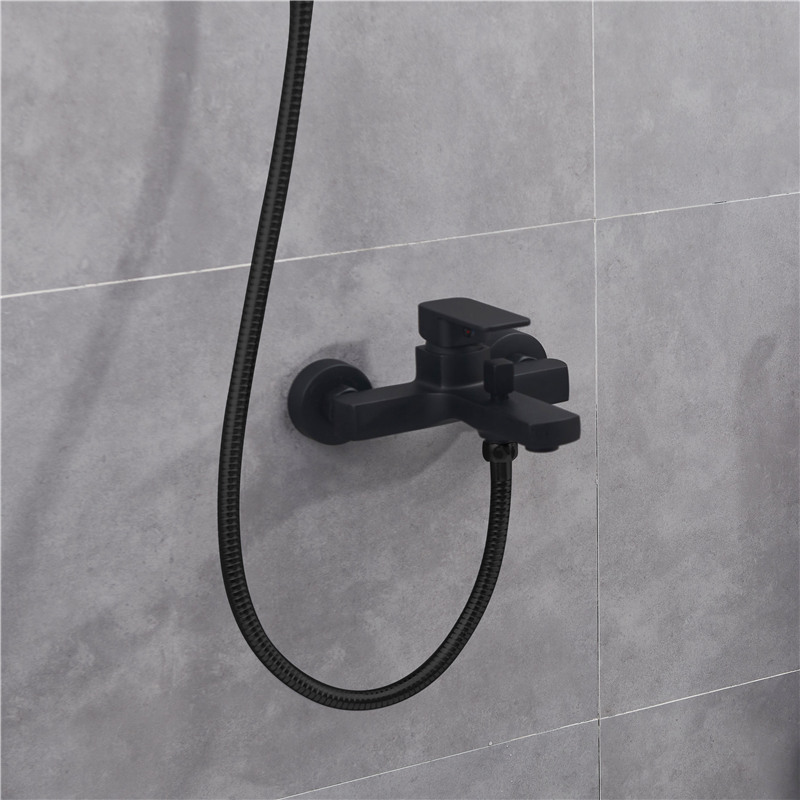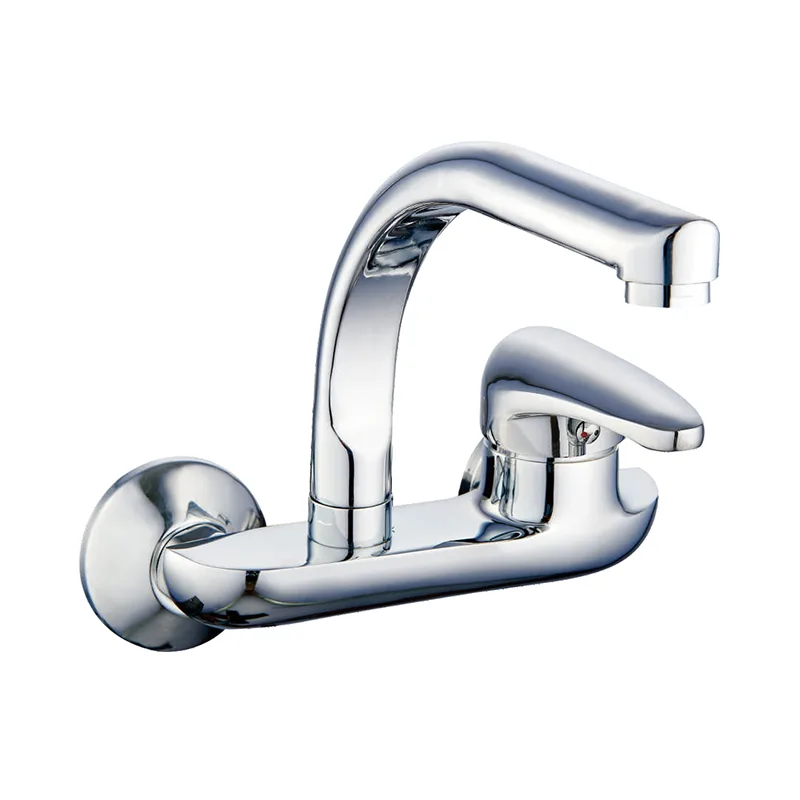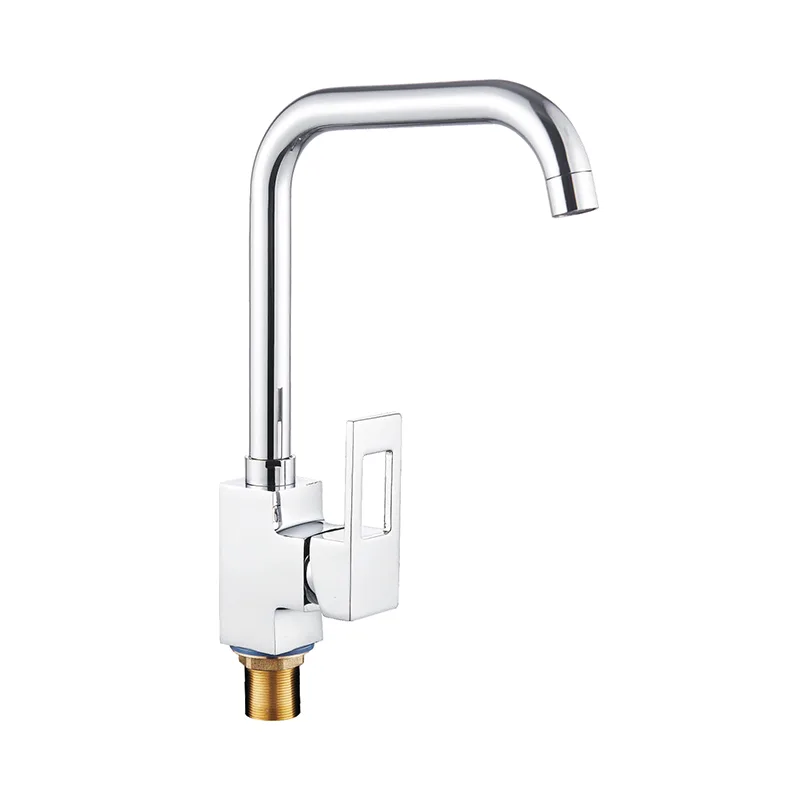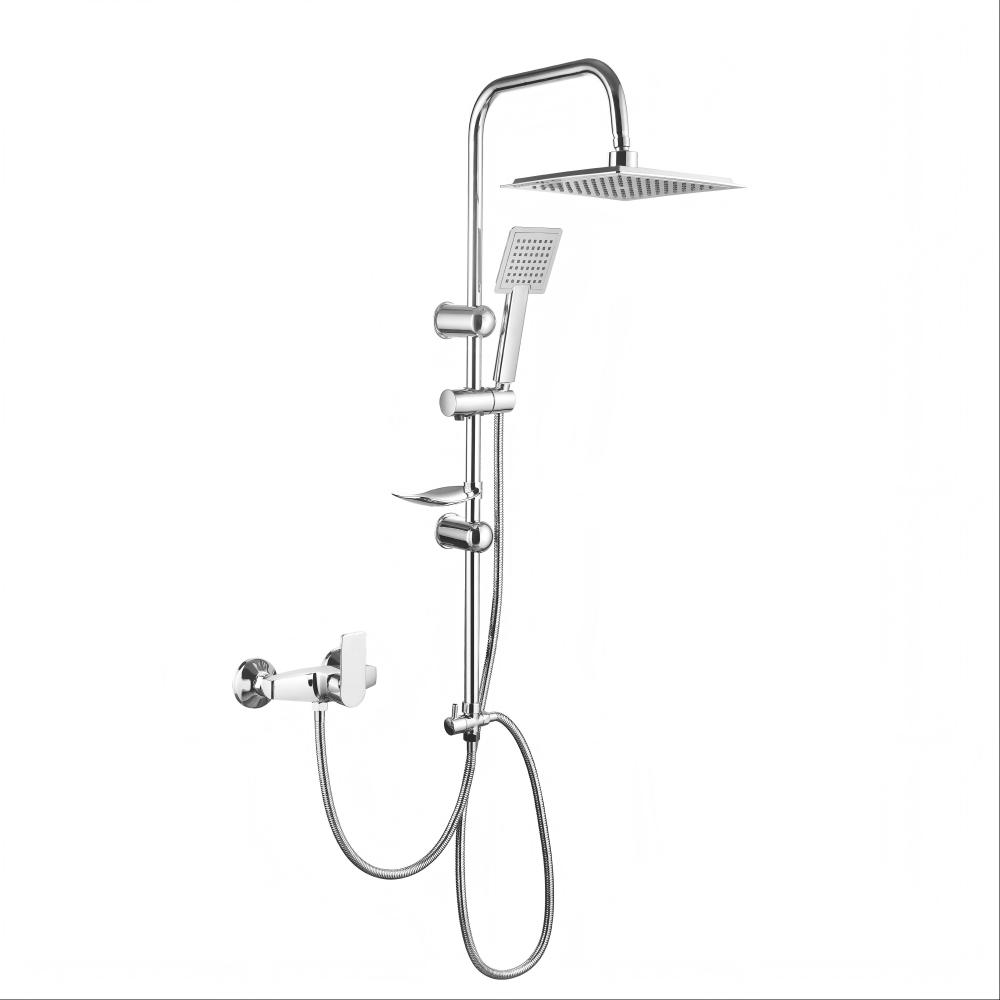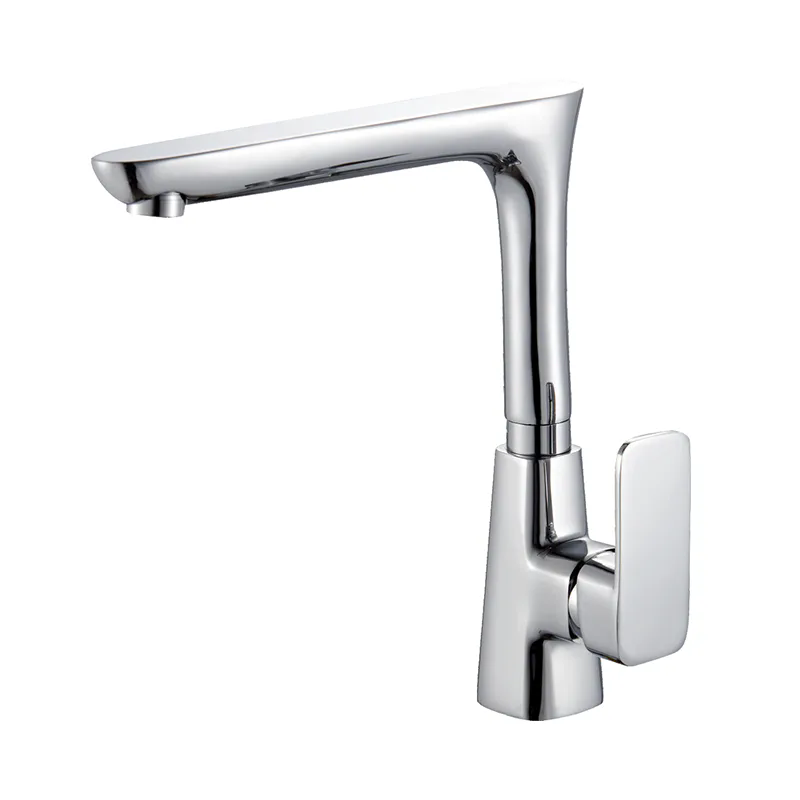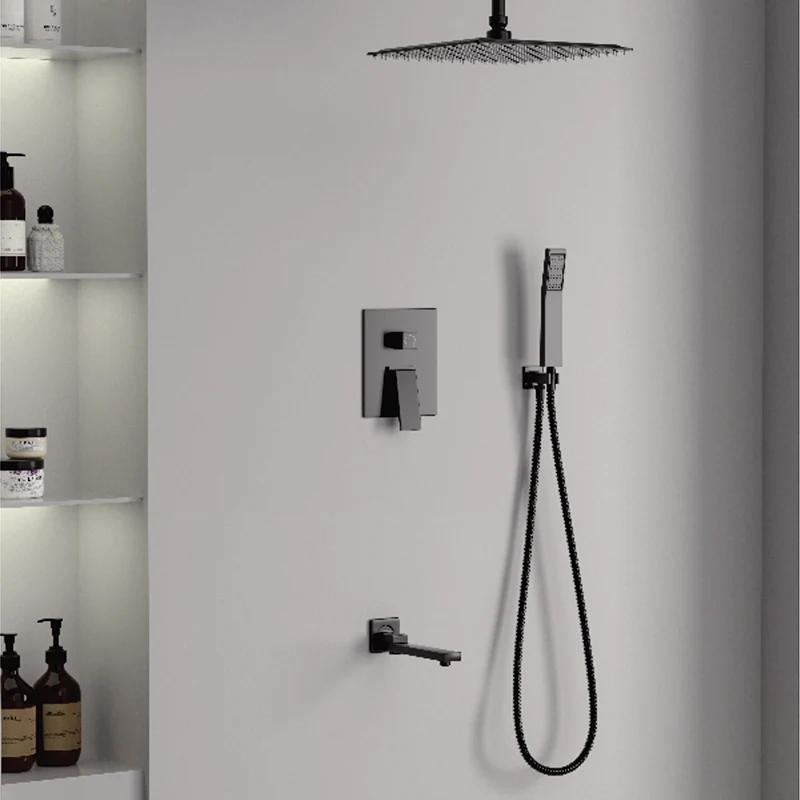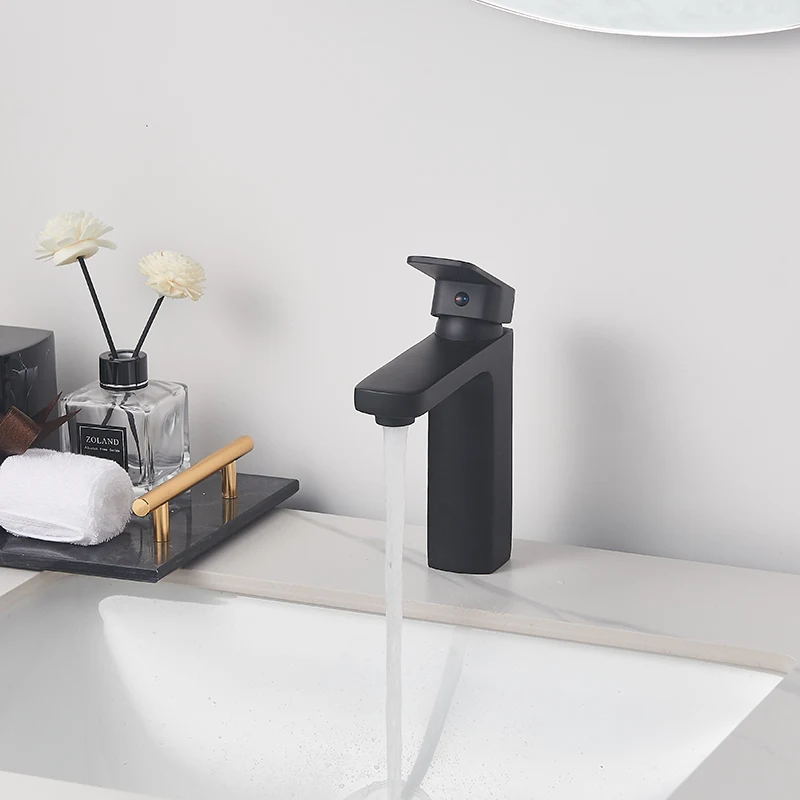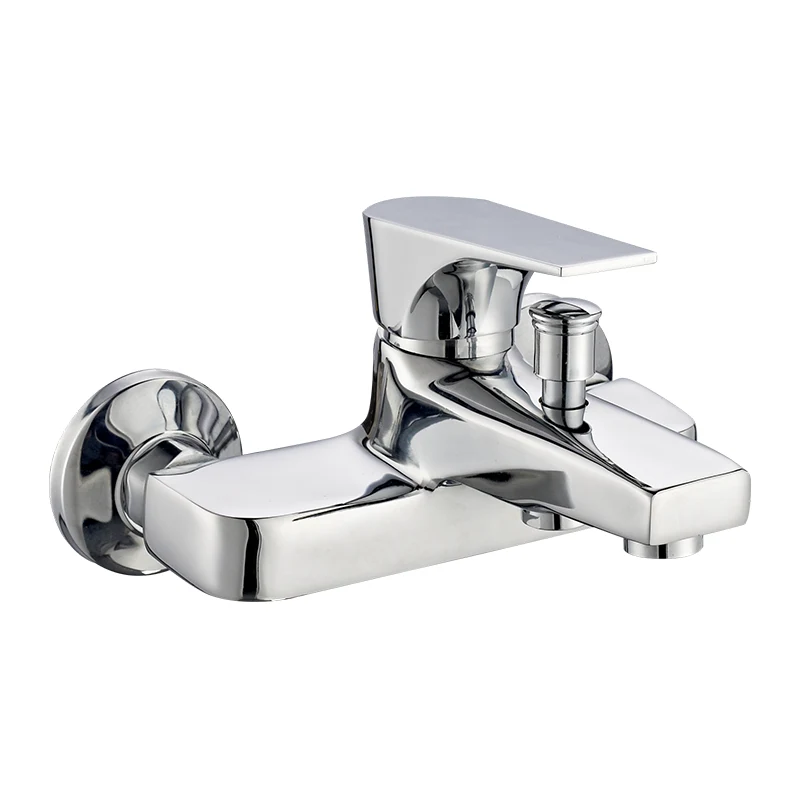
Different markets have different requirements. The table below lists the most critical technical parameters for bathroom faucets in international trade today.
| Parameter | Requirement | Notes / Industry Standards |
|---|---|---|
| Body Material | Low-lead brass / 304 stainless steel | Brass offers natural antimicrobial properties. For US exports, NSF/ANSI 61 certification is required. |
| Cartridge Type | Ceramic disc | Wear-resistant. Industry standard lifespan is 500,000 cycles or more. |
| Surface Finish | PVD (Physical Vapor Deposition) / Electroplated | PVD finishes (matte black, brushed nickel) offer better corrosion resistance and are now standard on 25-30% of premium models. |
| Flow Rate | 1.2 - 1.5 GPM (4.5 - 5.7 L/min) | WaterSense-certified models are strongly preferred in North America. |
| Mounting Hole Configuration | Single hole / 4-inch / 8-16 inch widespread | Measure your countertop before ordering. This is the most common reason for returns. |
| Working Pressure | 50 - 1000 kPa | Standard residential water pressure. Commercial projects may require higher ratings. |
| Noise Level | Meets ISO 3822 standards | European markets are particularly strict, typically requiring Class I or II. |
| Hose Material (for pull-down models) | Nylon braided / PVC | Nylon braided is more durable and kink-resistant. Avoid pure PVC for moving parts. |
Touch and sensor technology is becoming mainstream. Sensor faucets are no longer just for public restrooms. New generation models respond instantly and often include temperature displays. This is especially popular in households with children or elderly members, as it reduces cross-contamination and makes operation easier with soapy hands.
Matte and brushed finishes continue to grow. Chrome remains the most practical and affordable option, but gunmetal and brushed nickel are gaining ground because they hide water spots and fingerprints so well. For hard water areas, these finishes are a clear winner.
Water efficiency is now a compliance issue, not just a preference. Many new faucets feature air injection technology and high-performance aerators. These reduce water use without sacrificing user experience. The stream feels soft and does not splash.
Q: How long should a ceramic disc cartridge last?
A properly manufactured ceramic disc cartridge lasts 500,000 cycles or more. In a typical household, that translates to 15-20 years of normal use. Signs of a failing cartridge include dripping when the faucet is off, difficulty turning the handle smoothly, or inconsistent water temperature.
Q: What is the difference between PVD and electroplated finishes?
PVD (Physical Vapor Deposition) bonds the finish material to the brass at a molecular level. It is much harder and more resistant to corrosion, scratches, and daily wear. Electroplating is cheaper but thinner. For coastal environments or high-humidity bathrooms, PVD is the better long-term investment.
Q: How do I know which hole configuration to order?
Take a photo of your countertop or vanity deck. Then measure the distance between the center of the left hole and the center of the right hole.
Single hole: one faucet, no separate handles.
4-inch center set: three holes, with the outer holes 4 inches apart from center to center.
8-inch widespread: three holes, with the outer holes 8 inches apart.
If you are replacing an existing faucet and are unsure, measure the distance between the handle holes.
Q: Is brass really better than stainless steel?
For most residential bathroom faucets, low-lead brass remains the preferred material because it is easier to cast into complex, elegant shapes. Stainless steel is strong and lead-free, but it is more difficult to machine. For pull-down kitchen faucets, stainless steel is more common. For bathroom faucets, brass is still the industry standard.
Q: What certifications should I look for?
That depends on your target market.
North America: NSF/ANSI 61 (lead content), WaterSense (water efficiency), cUPC (uniform plumbing code).
Europe: EN 817 (mechanical and performance requirements), CE marking.
Australia: WELS (water efficiency labeling).
A supplier who cannot provide these certificates upon request should be approached with caution.
Q: How do I prevent a new faucet from leaking at the connections?
The most common cause is not using plumber's tape or not tightening the nuts enough. Wrap the threaded connections with PTFE tape (two to three wraps) in the direction of the threads. Hand-tighten first, then use a wrench for no more than one additional quarter turn. Overtightening can crack plastic nuts or damage gaskets.
| Your Situation | Recommended Faucet Type | Key Reason |
|---|---|---|
| Small bathroom or powder room | Single-hole, mid-arc spout | Saves space, clean look, budget-friendly |
| Large master bathroom | 8-inch widespread or wall-mounted | More substantial appearance, dual handles for precise temperature control |
| Home with elderly or young children | Sensor or touch-activated | No need to grip handles with dirty hands; reduces fall risk in slippery conditions |
| Hard water area | Brushed nickel or gunmetal finish | Hides limescale spots much better than chrome or black |
| Rental property or commercial use | All-brass body with ceramic cartridge | Maximum durability, low maintenance cost over time |
Before you finalize any purchase or shipment, confirm the following:
The faucet body material matches your market's lead compliance requirements.
The cartridge is replaceable and not permanently sealed.
The finish type (PVD vs. electroplated) is clearly stated.
The included mounting hardware fits your countertop thickness.
The hoses and nuts are brass or stainless steel, not plastic.
Certification documents are available upon request.