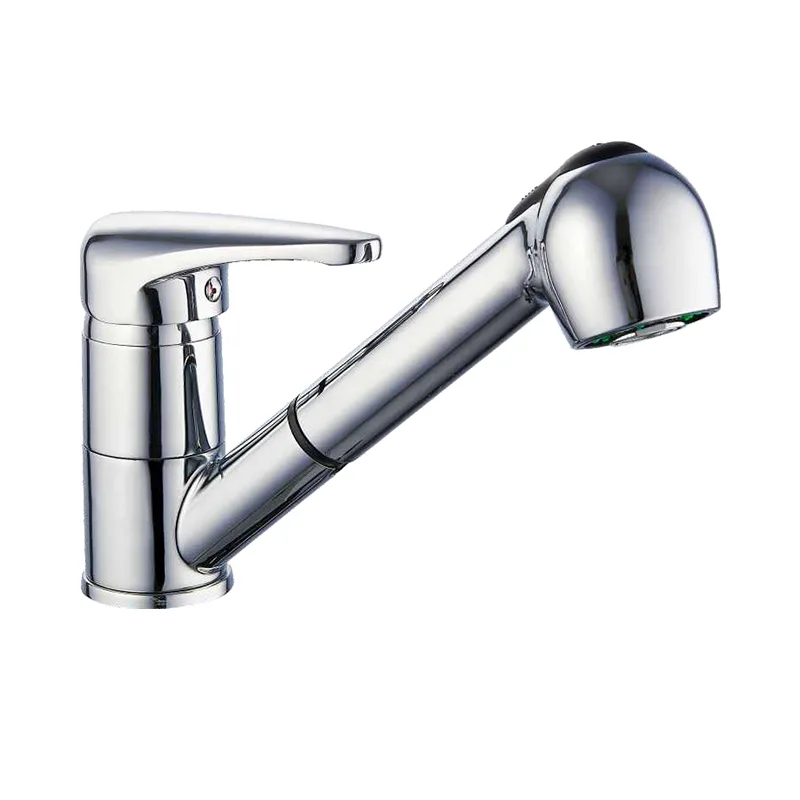
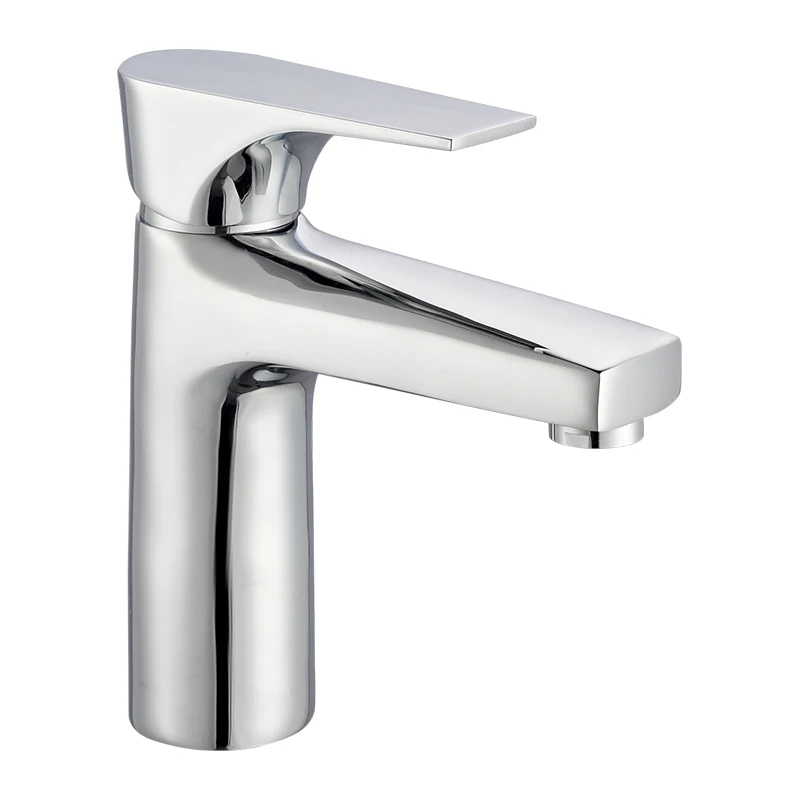
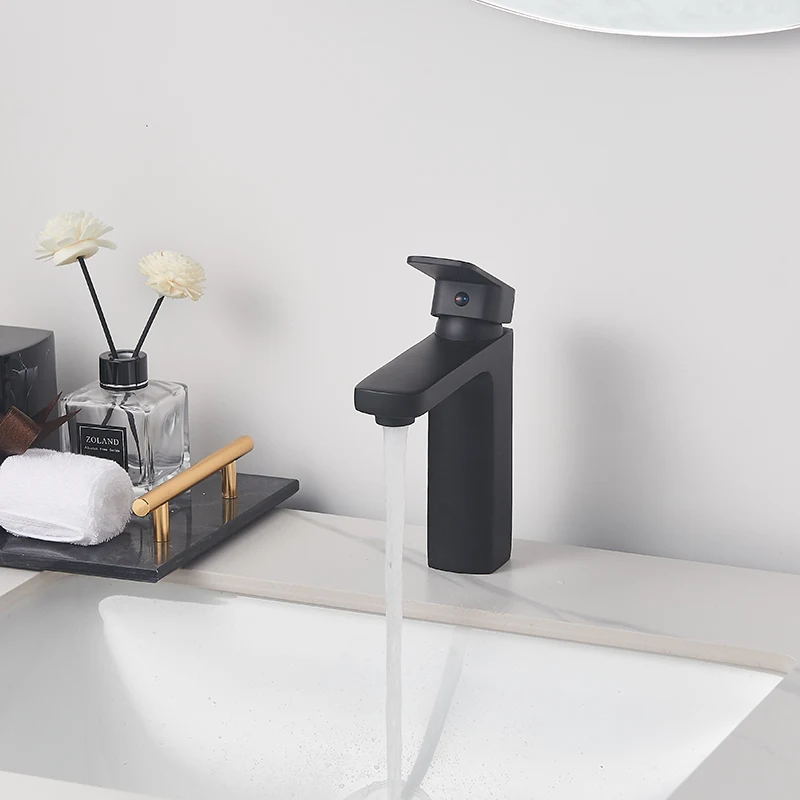
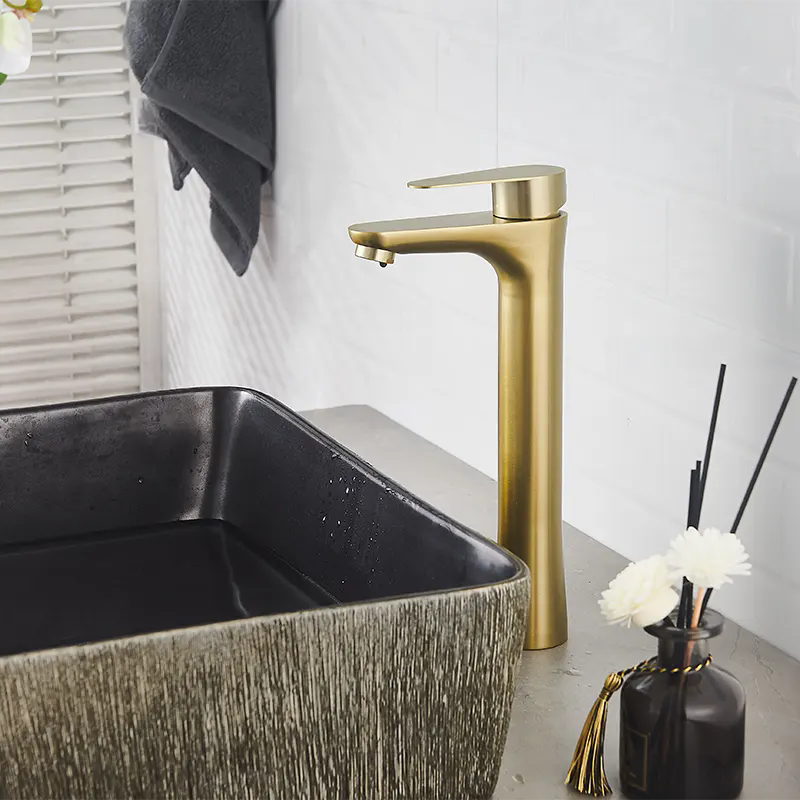
The single-handle basin faucet has become a defining fixture in modern bathrooms, prized for its streamlined design and exceptional ease of use. This guide provides a practical overview of single-handle basin faucets, covering their functionality, key benefits, technical specifications, and installation considerations.
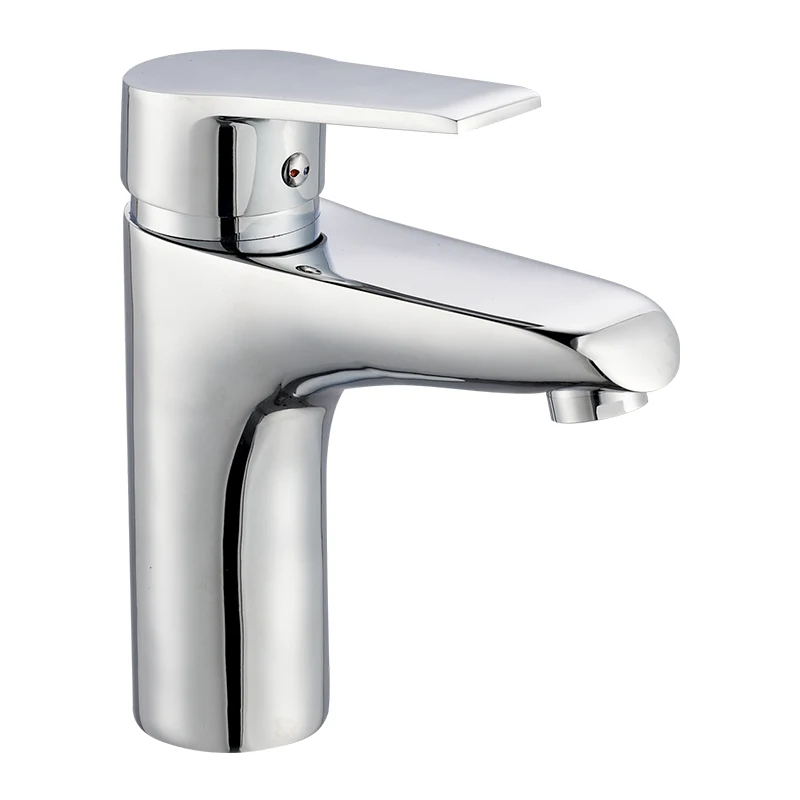
A single-handle basin faucet, also known as a single-lever or single-control faucet, is a bathroom fixture that uses one lever to control both water temperature and flow rate. Unlike traditional two-handle faucets that require separate controls for hot and cold water, the single-handle design simplifies operation by allowing users to adjust the water with just one hand.
The handle typically operates in two directions:
Forward and backward: Controls water flow volume, including on/off and pressure
Side to side: Adjusts water temperature from cold to hot
This intuitive mechanism makes single-handle faucets particularly accessible for children, elderly users, and individuals with reduced grip strength or physical disabilities.
Single-handle basin faucets fall into two main categories based on their intended use:
This configuration delivers water at a consistent temperature. It features a simple on/off action and is suitable for spaces where temperature adjustment is not required. It connects to a single water supply.
This is the most common type in modern bathrooms. It connects to both hot and cold water supplies and allows the user to blend temperatures with a single lever. This type is ideal for regions with seasonal temperature variations where adjustable water warmth is desired.
The single-lever design allows for quick, one-handed adjustments, even with soapy hands. This convenience is a major reason these faucets have gained a large share of the market in recent years.
Single-handle faucets typically require only one mounting hole, making them ideal for smaller sinks and compact vanities. This compact footprint contributes to a clean, uncluttered look.
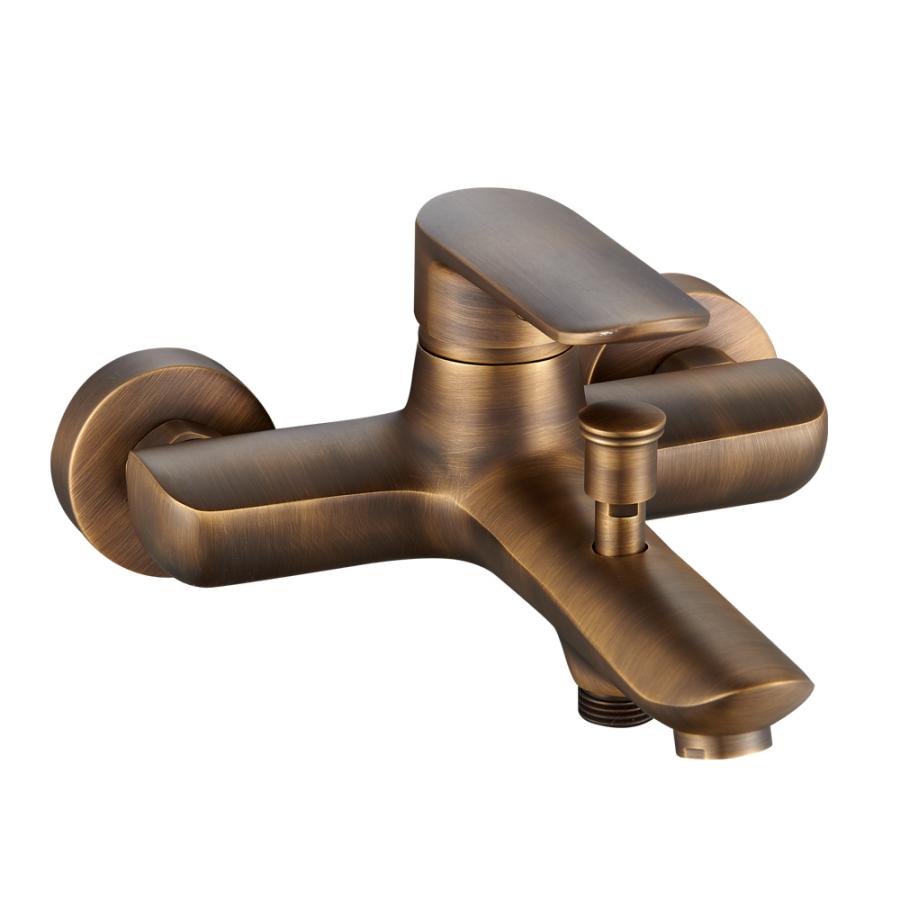
The minimalist appearance of single-handle faucets complements a wide range of bathroom styles, from contemporary to transitional. They are available in various finishes, including polished chrome, stainless steel, matte black, and bronze.
With fewer external components, single-handle faucets are generally easier to clean and maintain than their two-handle counterparts.
The heart of any basin faucet is its valve mechanism. Single-handle faucets typically use one of two valve systems:
This is the current industry standard. Ceramic disc valves are highly durable and require only a half-turn to fully open or close the water. They are known for their leak-free operation and long lifespan.
Washerless cartridges are reliable and easy to maintain. Some models use a stainless steel ball-type control mechanism with replaceable non-metallic seats, offering smooth operation and longevity.
When selecting a single-handle basin faucet, pay attention to these key specifications:
Most single-handle basin faucets are designed for single-hole deck-mount installation. The faucet sits directly on the sink or countertop with one mounting hole. Ensure your basin has a compatible hole configuration.
Faucet height: Typically ranges from 3-3/8 inches to 5-7/8 inches
Spout reach: Usually between 3-5/16 inches and 4 inches
Deck thickness compatibility: Most models can accommodate decks up to 1-1/2 inches thick
Many modern single-handle faucets are WaterSense-certified with flow rates as low as 1.2 gallons per minute for water conservation. Standard models may have aerators with removable flow restrictors.
ADA compliance: Faucets designed to meet accessibility standards for users with disabilities
Temperature limit safety: A safety feature that sets a maximum water temperature to prevent scalding
Installing a single-handle basin faucet is generally simpler than a two-handle model, as supply tubes can often be attached before mounting.
Turn off the water supply by locating and shutting off the hot and cold water valves under the sink.
If replacing an old faucet, loosen the nuts and remove the mounting plate.
Clean the mounting surface and apply plumber's tape to the mounting bolts.
Place the deck plate gasket over the sink holes, position the faucet, and secure it with rubber washers and plastic nuts.
Connect the hot water line to the left inlet and the cold water line to the right inlet. Tighten with a wrench.
Turn on the water supply and inspect all connections for leaks. Apply silicone sealant around the base to prevent water seepage.
| Feature | Single-Handle | Double-Handle |
|---|---|---|
| Ease of Use | One-handed operation; ideal for all users | Requires two hands for precise adjustment |
| Installation | Simpler; fewer connections | More complex; separate hot and cold connections |
| Space | Compact; single-hole mounting | Requires wider spacing |
| Temperature Control | Quick but less precise than dual handles | More precise fine-tuning |
| Maintenance | Internal cartridge may be complex to repair | Simpler component replacement |
| Aesthetic | Modern, minimalist, clean lines | Traditional, classic styling |
A single-handle basin faucet is an excellent choice for most modern bathrooms, particularly if you:
Value convenience and ease of operation
Have a compact basin or limited counter space
Prefer a minimalist, contemporary aesthetic
Want a straightforward installation process
For those who prioritize precise temperature control and enjoy a classic look, a double-handle faucet may be more suitable. However, for the majority of users, the single-handle design offers an ideal balance of style, functionality, and accessibility.