A Bathroom Faucet looks simple—until it drips at 2 a.m., doesn’t match your sink holes, or turns water spots into a daily cleaning job. This guide helps you choose the right faucet the first time by focusing on the real pain points buyers face: compatibility with your sink/counter, stable water temperature, reliable internal parts, finish durability, and easy maintenance. You’ll get a clear decision process, comparison tables, a pre-purchase checklist, and FAQs that answer the questions people usually discover too late.
Fast takeaway: If you only do three things, do these: (1) confirm your sink hole layout, (2) choose a durable valve/cartridge and body material, (3) pick a finish that matches your cleaning habits and water quality.
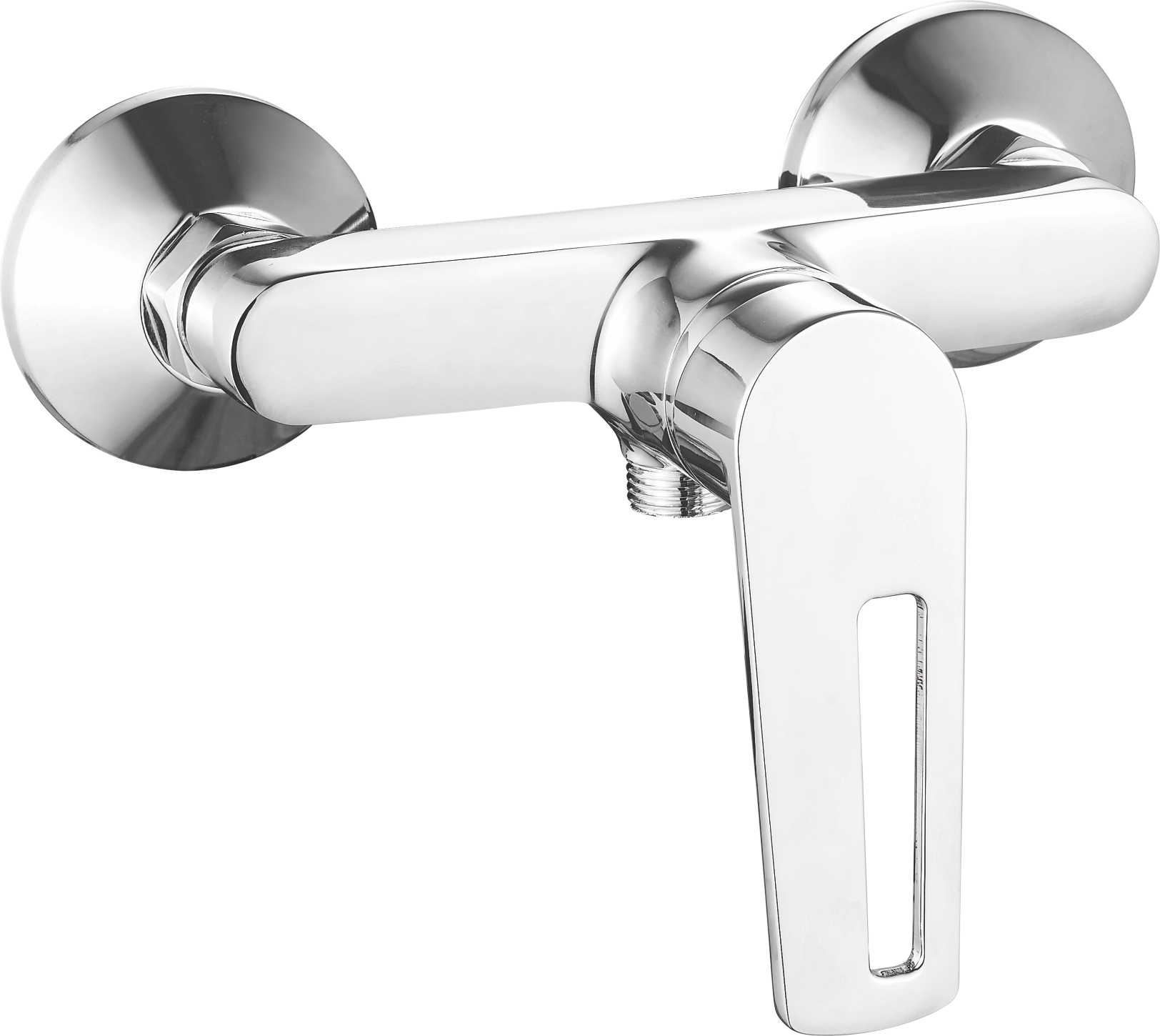
Most “bad faucet experiences” aren’t about looks—they’re about daily friction. Here are the issues that show up in real homes, apartments, hotels, and commercial washrooms:
Good news: you can avoid nearly all of these by measuring first and prioritizing internal quality. A Bathroom Faucet is a mechanical device you touch multiple times a day—spec it like you would a door lock, not a decorative item.
Before you compare finishes or shapes, confirm what your sink/counter can accept. Most buying mistakes happen here.
| Type | Typical hole layout | Best for | Watch-outs |
|---|---|---|---|
| Single-hole (single handle or compact body) | 1 hole (sometimes with an optional deck plate) | Small vanities, minimalist looks, quick installs | Confirm spout reach to avoid splashing; deck plate fit varies |
| Centerset | 3 holes on a 4-inch spread | Standard sinks, rental upgrades, easy sourcing | Less flexibility in handle spacing; check escutcheon coverage |
| Widespread | 3 holes on an 8–16-inch spread | Higher-end vanities, customized handle placement | More install time; more connection points to seal well |
| Wall-mounted | In-wall plumbing (no deck holes needed) | Modern designs, easier counter cleaning | Requires precise rough-in; leaks are harder to access |
Tip: If your current faucet splashes, you can often fix it with a better reach/height match and the right aerator—no need to blame your sink.
The prettiest Bathroom Faucet will still fail early if the internals are weak. Here’s what to prioritize when you’re comparing models (or asking a supplier for specifications):
The cartridge is the “heart” that controls flow and mixing. A well-made ceramic cartridge is widely used because it provides smooth operation and consistent sealing when properly manufactured. Ask about cartridge grade, testing standards, and whether replacements are stocked.
Leaks often come from tiny imperfections: rough internal surfaces, inconsistent tolerances, or low-grade rubber seals. Better machining and better seals make the faucet more forgiving over years of daily use.
If the handle feels loose in the showroom (or in product videos), it will feel worse after months of use. Look for designs with solid handle connections, stable base mounting, and clear tightening methods.
A smart buy is a faucet that can be repaired without removing the entire unit. If you can access the cartridge and common seals from above, you’ll save time and money later.
Material choice affects lifespan, water safety, and how your faucet ages. Finish choice affects how often you’ll want to clean it. Here’s a practical way to decide.
| What you’re deciding | Options you’ll see | Practical guidance |
|---|---|---|
| Body material | Brass/all-copper casting, stainless steel, zinc alloy (budget) | For long-term reliability, many buyers prefer brass or stainless steel bodies due to durability and corrosion resistance. Ask for material composition, production method, and quality control notes. |
| Finish style | Chrome, brushed nickel, matte black, brushed gold, mixed textures | If you hate wiping, consider brushed or matte finishes that visually hide fingerprints and water spots better than mirror-like surfaces. If your water is hard, prioritize finishes that tolerate frequent gentle cleaning. |
| Coating method | PVD/coated finishes, electroplating, powder coating | Ask how the finish is applied and what abrasion/salt spray tests it passes. Durable coatings resist scratches and keep their appearance longer. |
Buyer mindset: pick a finish you’ll still like on a messy Tuesday. Showroom lighting is a liar.
Two homes can install the same Bathroom Faucet and get totally different experiences because water pressure and aerator design change everything.
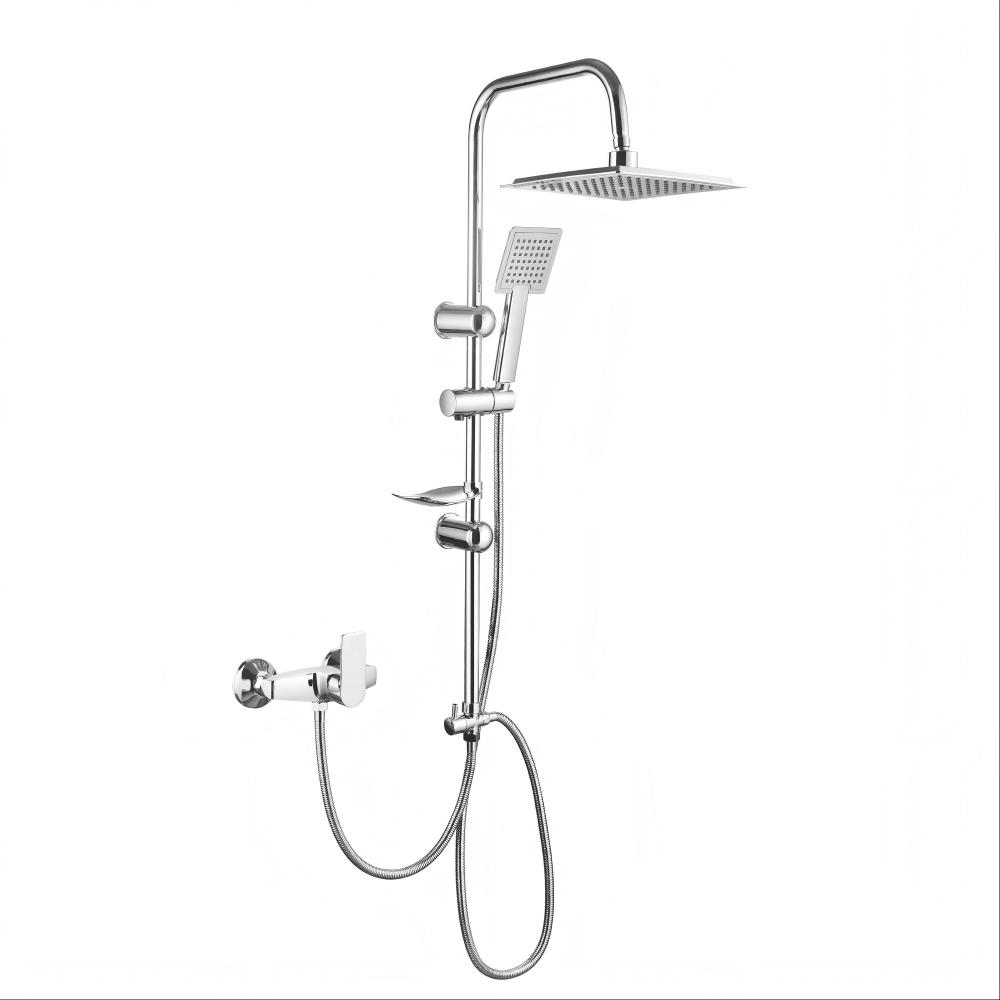
Even if you’re hiring a plumber, this checklist keeps you from buying something that becomes a return-and-delay headache.
| Your priority | Choose this direction | Why it helps |
|---|---|---|
| Lowest long-term hassle | Proven cartridge + serviceable design | Repairs become quick, not a full replacement |
| Fast remodel upgrade | Match existing hole layout | No counter drilling, fewer surprises |
| Always looks clean | Brushed/matte finishes | Less visible fingerprints and spots |
| Modern aesthetic | Single-hole or wall-mounted | Clean lines; easier counter wipe-down |
The best Bathroom Faucet is the one that stays quiet, clean, and leak-free with minimal effort. Here’s how to keep it that way.
Maintenance habit that pays off: wipe the faucet dry after heavy use. It takes 5 seconds and makes most finishes look new longer.
A dependable manufacturer should be able to explain materials, testing, quality control, packaging protection, and after-sales parts support clearly.
If you’re sourcing for projects, distribution, hospitality, or long-term residential reliability, it helps to work with a supplier that can provide consistent production, multiple finish options, and responsive support. Taizhou Haogeer Sanitary Wares Co., Ltd. is one example of a manufacturer focused on sanitary ware and faucet products for global buyers, and partnering with an established supplier like this can simplify procurement—especially when you need repeat orders or consistent specifications.
Count your sink holes (1 or 3), measure the distance between holes if it’s a 3-hole sink, and check whether the faucet supports your configuration (single-hole, centerset, widespread). Then verify spout reach and height for splash control.
Single-handle designs are convenient and fast for daily use. Two-handle designs give precise manual control and often match traditional styles. “Better” depends on your habits and whether you prioritize quick mixing or classic aesthetics.
Many modern faucets use flow regulators/aerators to reduce water use and splashing. If the flow feels too weak, check your shutoff valves, supply lines, and aerator for debris—especially after plumbing work.
Brushed and matte finishes typically hide fingerprints and spotting better than high-gloss finishes. If you have hard water, choose a finish you can clean gently and regularly without abrasives.
First clean the aerator and flush any debris. If dripping continues, the cartridge/valve may need replacement. Choosing a Bathroom Faucet with accessible, replaceable internals makes this an easy fix.
Start with compatibility and internals, then choose the style. A faucet is a mechanical device under a decorative shell. Good internals save you from leaks, wobble, and early replacement costs.
The right Bathroom Faucet should feel stable, control temperature smoothly, resist daily wear, and stay easy to clean. If you measure your sink holes, prioritize reliable internals, and choose a finish that matches your real-life cleaning habits, you’ll avoid the most common buyer regrets—and you’ll get a faucet that still feels “new” long after installation day.
If you’re sourcing for a project or comparing options for long-term reliability, reach out to Taizhou Haogeer Sanitary Wares Co., Ltd. for specifications, finish options, and parts support—then contact us to get a quote or product recommendation tailored to your sink type, water conditions, and budget.